

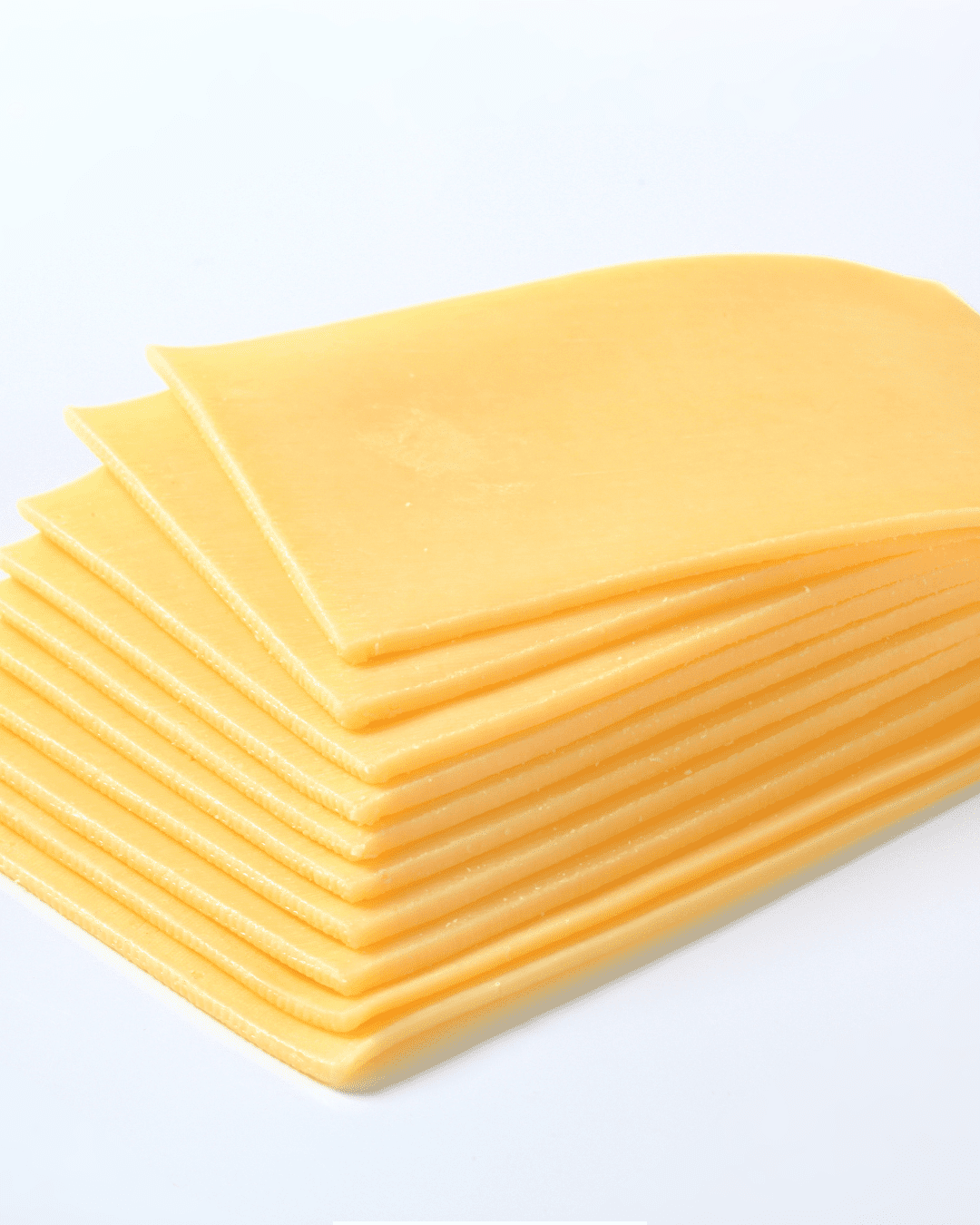
I’m always on the hunt for delightful new ingredients that can elevate my cooking—and Aldi Butterkase Cheese has been just that!
How to make Aldi Butterkase Cheese
Aldi Butterkäse (sometimes written Butterkase) is a super mild, ultra-creamy semi-soft cheese sold at Aldi.
Ingredients
- 1 gallon whole milk (preferably non-homogenized, raw milk or high-quality pasteurized milk – avoid ultra-pasteurized milk)
- 1/4 tsp mesophilic starter culture (used to acidify the milk and kickstart the cheesemaking process)
- 1/2 tsp calcium chloride (optional, enhances curd formation, especially if using pasteurized milk)
- 1/4 tsp liquid rennet (used to coagulate the milk)
- Salt (for brining and flavoring)
- Water (for dissolving additives and brining the cheese)
Equipment
Cheesemaking requires some specific equipment:
- Large stainless steel pot (non-reactive for heating milk)
- Thermometer (to monitor milk temperatures precisely)
- Cheesecloth or butter muslin (for draining and shaping the curd)
- Cheese mold (to shape the cheese wheel/block)
- Press (optional, applies pressure for proper curd fusion)
- Slotted spoon or ladle
- Large bowl
Instructions
Step 1: Pour 1 gallon of whole milk into a large stainless steel pot. Gradually heat the milk to 86°F (30°C) using low heat to avoid scorching. Stir gently to keep the temperature constant and ensure even heating.
Step 2: If using calcium chloride, dilute it in 1/4 cup of water and stir it into the warm milk. Sprinkle the mesophilic starter culture evenly over the surface of the milk. Let it sit undisturbed for 2 minutes, then stir it in gently using a slotted spoon.
Step 3: Dilute liquid rennet in 1/4 cup of water. Stir the rennet into the milk using an up-and-down motion for even distribution. Allow the milk to set undisturbed for 30–40 minutes until the milk develops a firm custard-like texture (this is called the “curd”). Test by cutting the curd gently with a knife to see if it separates cleanly.
Step 4: Use a knife to cut the curd vertically and horizontally into small cubes (around 1/2 inch). Stir gently to separate the curds. Gradually heat the curds to 102°F (39°C) over 30 minutes, stirring occasionally to prevent the curds from clumping.
Step 5: Once the curds and whey have separated, pour off most of the whey while keeping the curds intact. Transfer the curds to a cheesecloth-lined mold to drain further.
Step 6: Wrap the drained curds in cheesecloth and place them into a cheese mold. Apply light pressure (using a cheese press or weight) for 30–60 minutes. Increase the pressure gradually and continue pressing for up to 6 hours. The goal is to expel excess whey and create a cohesive block of cheese.
Step 7: Create a brining solution by dissolving salt in water (1/4 cup salt per quart of water). Submerge the pressed cheese in the brine for 4–8 hours, depending on its size and shape. This step adds flavor and preserves the Aldi Butterkase Cheese.
Step 8: Remove the cheese from the brine and pat it dry. Place the cheese in an aging container or wax it for protection. Age Aldi Butterkase Cheese in a cool area (ideally, a cheese cave or fridge at 50°F/10°C with humidity around 85%) for 2–4 weeks. Turn the cheese every few days to ensure even aging.
Tips for Cheesemaking Success
- Use High-Quality Milk: The quality of milk directly affects the flavor and texture of the final cheese. If possible, use fresh, raw milk from local dairies.
- Monitor Temperatures Carefully: Temperature fluctuations can result in poor curd formation or uneven coagulation. Use a thermometer for precise control.
- Be Patient: Cheesemaking is a slow process that requires attention to detail and time. Rushing can lead to underdeveloped textures and flavors.
- Cleanliness is Key: Ensure all equipment is thoroughly sanitized to prevent contamination.
- Experiment with Flavor: You can adjust the salting or aging time for different Butterkase flavor profiles. Longer aging results in a more robust taste.
Ingredients Substitutes
Creating Aldi Butterkase Cheese at home can be a fulfilling endeavor, but sometimes the specific ingredients called for in the original recipe are not readily available.
1. Milk Substitutes
Original Ingredient: Raw or high-quality non-homogenized whole milk
Substitutes:
- Pasteurized Whole Milk: If raw milk is unavailable, use high-quality pasteurized whole milk. Avoid ultra-pasteurized milk as it doesn’t form curds well.
- Goat Milk: For a bit of a twist, goat milk can replace cow’s milk. It gives a slightly tangy flavor but has a similar fat content, ideal for cheese-making.
- Organic Milk: Opt for organic whole milk, which generally undergoes less processing and retains more beneficial properties.
2. Starter Culture Substitutes
Original Ingredient: Mesophilic starter culture (e.g., MA 4001 or MA 4002)
Substitutes:
- Other Mesophilic Cultures: Choose any mesophilic culture used for making cheeses like Cheddar or Gouda (e.g., MM100 or Flora Danica).
- Buttermilk: As a natural mesophilic starter, cultured buttermilk can serve as an excellent substitute. Use 1/4 cup of buttermilk per gallon of milk as a substitute for the powdered starter culture.
3. Calcium Chloride Substitutes
Original Ingredient: Calcium chloride adds firmness to curds, especially when using pasteurized milk.
Substitutes:
- Omitting Calcium Chloride: If your milk curds naturally, you might not need calcium chloride. Many home cheesemakers skip this ingredient altogether when using high-quality raw milk.
- Yogurt or Buttermilk: Adding a small amount of yogurt or buttermilk (¼ cup per gallon) can sometimes help with curd firmness, though it’s not a direct substitute.
4. Rennet Substitutes
Original Ingredient: Liquid rennet (used to coagulate milk)
Substitutes:
- Vegetarian or Microbial Rennet: If you prefer non-animal rennet, microbial or vegetable rennet work equally well.
- Tablet Rennet: Use 1/4 of a rennet tablet dissolved in water to replace 1/4 tsp of liquid rennet.
- Junket Rennet: Though weaker, Junket rennet can be used if doubled or tripled in quantity to achieve the same coagulating effect.
5. Salt Substitutes
Original Ingredient: Salt (used for brining and flavoring)
Substitutes:
- Cheese Salt or Non-Iodized Salt: Instead of regular table salt, use cheese salt or sea salt. Iodized salt is not recommended because it can inhibit bacterial growth and affect flavor.
- Kosher Salt: A reliable substitute that’s readily available, kosher salt can be used for brining and adding to the curds.
Final Thoughts
Making Aldi Butterkase cheese at home is a rewarding process, allowing you to enjoy the fruits of your labor in its purest form.
More Recipes:

Ingredients
- 1 gallon whole milk
- 1/4 tsp mesophilic starter culture
- 1/2 tsp calcium chloride
- 1/4 tsp liquid rennet
- Salt
- Water
Instructions
Step 1: Pour 1 gallon of whole milk into a large stainless steel pot. Gradually heat the milk to 86°F (30°C) using low heat to avoid scorching. Stir gently to keep the temperature constant and ensure even heating.
Step 2: If using calcium chloride, dilute it in 1/4 cup of water and stir it into the warm milk. Sprinkle the mesophilic starter culture evenly over the surface of the milk. Let it sit undisturbed for 2 minutes, then stir it in gently using a slotted spoon.
Step 3: Dilute liquid rennet in 1/4 cup of water. Stir the rennet into the milk using an up-and-down motion for even distribution. Allow the milk to set undisturbed for 30–40 minutes until the milk develops a firm custard-like texture (this is called the "curd"). Test by cutting the curd gently with a knife to see if it separates cleanly.
Step 4: Use a knife to cut the curd vertically and horizontally into small cubes (around 1/2 inch). Stir gently to separate the curds. Gradually heat the curds to 102°F (39°C) over 30 minutes, stirring occasionally to prevent the curds from clumping.
Step 5: Once the curds and whey have separated, pour off most of the whey while keeping the curds intact. Transfer the curds to a cheesecloth-lined mold to drain further.
Step 6: Wrap the drained curds in cheesecloth and place them into a cheese mold. Apply light pressure (using a cheese press or weight) for 30–60 minutes. Increase the pressure gradually and continue pressing for up to 6 hours. The goal is to expel excess whey and create a cohesive block of cheese.
Step 7: Create a brining solution by dissolving salt in water (1/4 cup salt per quart of water). Submerge the pressed cheese in the brine for 4–8 hours, depending on its size and shape. This step adds flavor and preserves the Aldi Butterkase Cheese.
Step 8: Remove the cheese from the brine and pat it dry. Place the cheese in an aging container or wax it for protection. Age Aldi Butterkase Cheese in a cool area (ideally, a cheese cave or fridge at 50°F/10°C with humidity around 85%) for 2–4 weeks. Turn the cheese every few days to ensure even aging.